









Table of Contents
- What is good dry food for cats?
- How to read the ingredient list: important ingredients in good dry cat food
- Grain-free or with grain – which is better for cats?
- Dry food and wet food compared
- Good dry food for different needs
- Feeding recommendations: How much dry food does a cat need?
- Quality features at a glance – checklist for purchasing
- FAQ - Frequently Asked Questions
What is good dry food for cats?
Good dry food for cats is tailored to the cat's natural needs. Cats are carnivores. Their bodies are designed to utilize animal proteins and fats. High-quality dry cat food follows this and contains meat as the main ingredient.
Why the quality of dry cat food is important
The quality of the food can influence various aspects. These include:
- Energy and activity
- Coat and skin
- Digestion
- general well-being
Low-quality dry food often contains many plant-based ingredients, artificial colors and preservatives, or sugar. While these provide energy, they offer hardly any suitable nutrients.
Dry food as a complete food for cats
Dry food can be fed as a complete food. This means that all necessary nutrients are included. The requirements are:
- a balanced composition
- a feeding amount appropriate to the cat's needs
- fresh drinking water available at all times
How to read the ingredient list: important ingredients in good dry cat food
A look at the ingredient list helps assess the quality. The order of the ingredients is crucial. What is listed first is also the ingredient that is contained in the largest quantity.
Proteins and fatty acids for a balanced diet
Cats are carnivores. Therefore, the meat content in cat food should be as high as possible. Make sure that meat is listed first in the ingredient list. High-quality dry cat food contains clearly declared meat sources, such as chicken, turkey, or other poultry.
A high proportion of animal protein supports:
- muscle building
- energy supply
- a healthy coat
In addition to proteins, fats also play an important role. They provide energy and contain essential fatty acids. These are important for the skin and coat.
Vitamins, minerals, and nutrients
In addition to meat, cats need other nutrients. These include vitamins, minerals, and trace elements. They support the bones, teeth, immune system, and organs. High-quality complete foods are formulated to cover the daily requirements.
Ingredients that have no place in cat food
Certain ingredients have no place in good dry food for cats. These include:
- Sugar and sugar additives
- artificial preservatives
- artificial colors and flavorings
- unnecessary fillers
Note: An open and transparent declaration, where all ingredients are clearly named, indicates high quality.
Grain-free or with grain – which is better for cats?
Many cat owners specifically look for grain-free dry food. The reason lies in the cat's natural diet.
Advantages of grain-free dry food:
- usually contains more meat
- is higher in protein
- is often better tolerated
When grain in cat food can be problematic:
Grain can cause digestive problems in some cats. These include diarrhea or bloating. Grain also frequently plays a role in food allergies. In such cases, grain-free food is often the better choice.
Dry food and wet food compared
Many owners wonder which type of food is better suited – dry food or wet food. Both options have advantages and disadvantages.
Differences in moisture and nutrient content
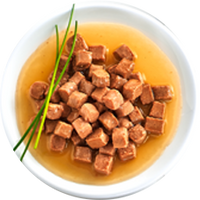
Wet food contains a lot of water. Dry food has a very low moisture content. Therefore, it is important that your cat drinks sufficiently when being fed dry food. Vital Drinks can also encourage drinking, which the cat can enjoy either plain or diluted in water.
The nutrient content can be high-quality in both options if it is a good complete food.
Effects on teeth and digestion
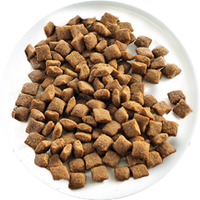
Dry food can promote chewing due to its solid structure. This can have a positive effect on the dental hygiene. Nevertheless, it does not replace dental care.
With a sensitive digestion, you should look for easily digestible ingredients. Some cats react sensitively to certain components in the food.
Is the combination of dry food and wet food sensible?
Many owners combine dry food and wet food. Both types of food have their own advantages and disadvantages. They can complement each other well. In addition, the cat may enjoy the variety in its bowl.
A mixed feeding can be particularly sensible for young cats so that they get to know both types of food and remain flexible later. This makes a change in food easier if it becomes necessary for health reasons. It is important to calculate the food amount correctly and not simply add the recommended amounts of both products, as this could lead to obesity.
Good dry food for different needs
Not every cat has the same requirements. Age, activity and health status play an important role in choosing good dry food for cats. The living environment and individual tolerance also influence which dry cat food is best suited.
Dry food for indoor cats
Indoor cats often move around less than outdoor cats. Dry food specifically tailored to indoor cats can help them maintain their weight. The energy content should be moderate. In addition, easily digestible, grain-free dry food can be beneficial.
Food for sensitive digestion or food allergies
Signs such as itching or digestive problems may indicate a food allergy. In such cases, special food can be sensible: KATTOVIT Sensitive Dry Food supports the nutrition of sensitive kittens. For cats with diagnosed diseases, there are various dietary foods. You should always consult a veterinarian before feeding such foods to specifically support the recovery of your furry friend.
Support for general well-being
During periods of increased stress for the cat, for example due to stress from a move or changes in the family, or after an illness, targeted support can be sensible. Special recovery diets can, for example, help stabilize the general well-being.
Feeding recommendations: How much dry food does a cat need?
Proper feeding is crucial for your cat's health. Good dry food should always be fed in an appropriate amount.
How much food your cat needs depends on several factors. These include:
- Body weight
- Age
- Activity
- Health status
The manufacturer's information on the packaging serves as a guide. The actual requirement may vary slightly.
It is sensible to distribute the daily ration over several small meals. This keeps the energy supply even. Place the food for your furry friend in a quiet and protected place.
Important: Since dry food contains very little moisture, fresh drinking water should be available at all times. Several water bowls in the home can support water intake. To increase the cat's enjoyment of drinking, tasty Vital Drinks can be a good addition. You can offer them plain or dilute them in water.
Quality features at a glance – checklist for purchasing
If you want to buy good dry food for your furry friend, pay attention to the following points:
- High meat content
- Clearly declared ingredients
- Balanced nutrients
- Sufficient taurine
- No unnecessary additives
- Suitable as a complete food
- Adapted to your cat's needs