






Hairballs are nothing unusual in everyday life with cats: during their regular grooming, these fastidious animals swallow numerous hairs, which they subsequently pass in their stools or vomit up. The sight of vomited hairballs is therefore part of everyday life for cat owners. Nevertheless, hairballs can also become dangerous and, if they occur excessively, impair the health of your furry friend. Learn here how hairballs form in cats, what risks are associated with them, and how you can prevent complications caused by hairballs.
Table of Contents
What are hairballs in cats and how do they form?
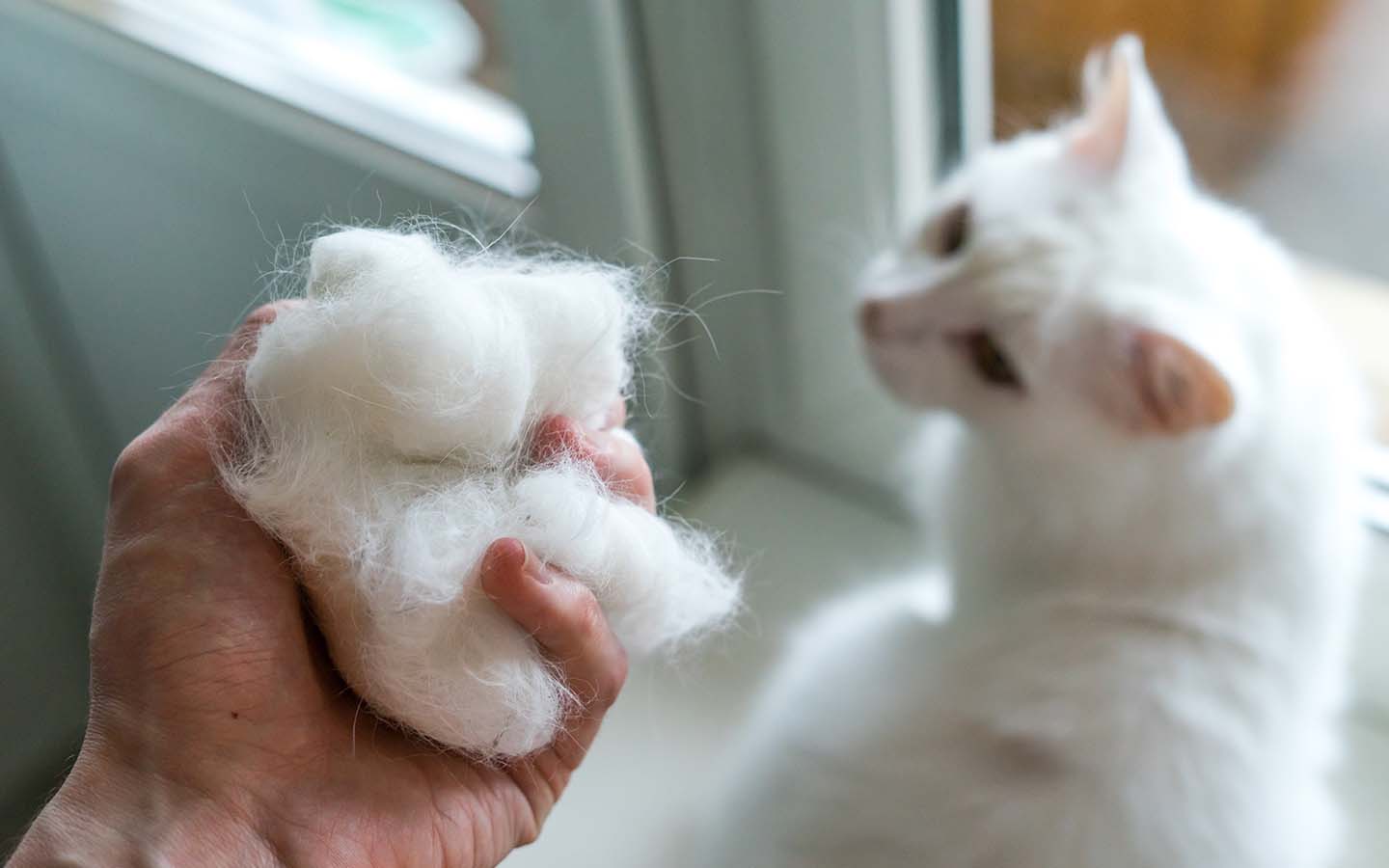
Hairballs are accumulations of cat hair that combine into actual clumps in the animals' stomachs. The technical term for hairballs is trichobezoars. Hairballs form because cats groom their fur intensively. The pads of their paws have small hooks that are perfectly suited for removing dirt particles, parasites, and loose hairs. This is why cats swallow numerous hairs while grooming their fur. These have no place in the cat's stomach and are either passed in the stool or vomited up.
Vomiting and passing hairballs is therefore initially a natural behavior of these four-legged friends to keep their bodies healthy. As a rule, they occur once or twice a week. However, some factors cause hairballs to occur more frequently at certain times and in certain cat breeds.
[VC+Sensitive2]
Risk factors for hairballs
Some cats are naturally predisposed to swallow more hair than others. As a result, passing and vomiting hairballs is more frequently observed in them. It becomes problematic when the animals swallow too many hairs and have difficulty removing the hairballs from their stomachs. The following are risk factors that can trigger an increased occurrence of hairballs in cats:
- Long-haired cat breed: In terms of cat breed, long-haired cats are particularly susceptible to hairballs. Examples of long-haired cat breeds include the Maine Coon, British Longhair, Norwegian Forest Cat, and Siberian cat.
- Cat breed with dense fur: Not only long-haired cats, but also those with particularly dense undercoats usually swallow more hair and therefore develop hairballs more frequently. In addition to long-haired cats, short-haired cat breeds such as the British Shorthair also have dense undercoats.
- Time of shedding: Cats shed their fur twice a year: in autumn they replace their light summer coat with a denser winter coat, and in spring the other way around. During this time, particularly many hairs fall out, so the furry friends also pass hairballs more frequently.
- Excessive grooming: Cats with an excessive tendency to groom their fur also swallow more hair than their companions. If there is a serious behavioral disorder, veterinarians also speak of psychogenic alopecia. Affected cats lick their fur so frequently and intensely that they cause themselves bald patches and inflammation.
- Overweight, age, and lack of exercise: Overweight and older cats, as well as inactive furry friends that do not exercise enough, have an increased risk of suffering from large hairballs. This is because these animals often suffer from sluggish bowels. As a result, the swallowed hairs can no longer be easily removed from the stomach and intestines, leading to health problems.
Hairballs as a danger to cats
If too many hairs accumulate in a cat's stomach and intestines, passing them becomes increasingly difficult. This is because the cat hairs combine with fat from the food to form larger hairballs in the body. This is a vicious cycle: If your indoor cat can hardly vomit up or pass the hairballs due to their size, more and more hairs are added over time, causing the hairball to grow. Eventually, it can harden and lie heavily in the stomach – much like a stone.
For this reason, hairballs pose a serious risk to the health of your furry friend and can lead to several unpleasant consequences for the stomach and intestines. Let's take a look together at what they are.
1. Restricted stomach activity
Large hairballs in the stomach can make the organ sluggish and restrict its normal activity. As a result, predigested food remains in the stomach for too long and causes problems such as belching, heartburn, and abdominal pain.
2. Gastritis
The hairballs in the stomach can irritate and damage the stomach lining, leading to gastritis. Typical symptoms are loss of appetite, severe abdominal pain, a tense posture, and avoidant behavior because the cat is suffering. If the inflammation remains undetected for a long time, apathy and weight loss due to food refusal may also occur. You can read more about the symptoms and treatment of gastritis in our guide on the topic of gastritis.
3. Intestinal inflammation
The intestines can also be damaged by hairballs rubbing against the intestinal wall, leading to inflammation. In the case of intestinal inflammation, severe abdominal pain, loss of appetite, and weight loss are also consequences, as well as apathy in the advanced stage. In addition, there are problems with defecation and, as a result, sometimes diarrhea and vomiting. Owners often find a layer of mucus and blood in or around the stool, which serve as clear warning signs. You should take affected cats to the vet immediately.
4. Constipation up to intestinal obstruction
As foreign bodies, hairballs obstruct the normal digestion in the stomach and intestines and make it difficult for the cat to eat and keep food down. Through vomiting and diarrhea, the animal tries to get rid of the hairballs. However, if this is not successful because the hairballs are already too large, constipation can occur. Signs of this are that the cat defecates less and less regularly and that attempts are made with great effort and pain. Due to the complications, many animals refuse food and gradually lose weight. Owners of indoor cats can recognize the symptoms more quickly, while with free-roaming cats, quite some time may pass before weight loss and malaise become noticeable.
If the condition does not improve, constipation can quickly develop into intestinal obstruction. If your furry friend is apathetic in addition to the symptoms mentioned above, trembles, and has pale mucous membranes, they may be in shock. Intestinal obstruction can be life-threatening and should therefore be treated as quickly as possible.
[Wellness Box]
Diagnosis and treatment of large hairballs
If you suspect that your cat is suffering from hairballs in its body and has difficulty getting rid of them, you should see a vet early. If you wait too long, one of the complications mentioned above, such as inflammation or intestinal obstruction, could occur. The vet can examine your furry friend thoroughly and determine whether hairballs in the stomach or intestines are affecting them. For this, the vet can, on the one hand, palpate the body to feel for possible hardness caused by hairballs. Imaging procedures such as X-rays or ultrasound examinations are also suitable for diagnosis.
With the help of laxatives or lubricants, the vet can try to facilitate the passing of the hairballs. In the case of constipation, glycerin suppositories can also help. If a hairball is already too large for the cat to pass naturally through the intestines or esophagus, it may have to undergo surgery. However, to prevent this from happening, there are also several things you can do to prevent hairballs in your cat.
Preventing hairballs in cats
To prevent the listed health problems from occurring in your furry friend as much as possible, you can prevent the formation of hairballs in cats in several ways. On the one hand, it is important to keep the number of swallowed hairs as low as possible, and on the other hand, to facilitate excretion.
- Cat grass: Cat grass refers to various plants in the grass family. The grass triggers a gag reflex in cats and helps them get rid of hairballs in their stomachs. In the wild, free-roaming cats instinctively eat freely growing grasses to produce this effect. This is more difficult with indoor cats: sometimes they nibble on houseplants instead. This can be dangerous, because many plants such as orchids, tulips, poinsettias, or lilies can be toxic to animals. So support your indoor cat by placing one or more pots of special cat grass in the home.
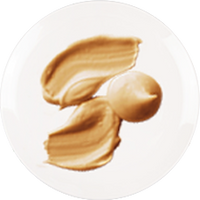
- Malz paste: Malz paste consists of many fibers, fats, and oils and has a mild laxative effect. The fibers stimulate the intestines, allowing hairballs to be passed more quickly. The oily and fatty consistency of the paste additionally facilitates excretion.
- Diet: In general, you can support your cat's diet by using fiber-rich food. You can also add a few drops of oil to wet or dry food to facilitate passage through the intestines. However, you should only use oil that is suitable for cat consumption. It is best to discuss this measure with your vet beforehand.
- Several small meals: Furthermore, you can adapt your furry friend's diet so that you feed several small meals of wet or dry food throughout the day. This also stimulates intestinal activity and ensures that hairs are transported out of the body more quickly.
- Brushing and combing: Another useful tip is to support your cat in grooming its fur. Get brushes that are suited to your furry friend's coat and brush your cat's fur regularly with them. This allows you to remove dead hairs by hand and prevent your furry friend from swallowing them during grooming.
If your cat has had problems with digestion and vomiting due to hairballs and has consequently lost weight and become weakened, you should nurture it back to health. Our KATTOVIT Recovery Course is specially designed for weakened cats and helps them regenerate. Thanks to the easily digestible and concentrated recipe, the recovery course provides your furry friend with important nutrients and an increased energy content.