










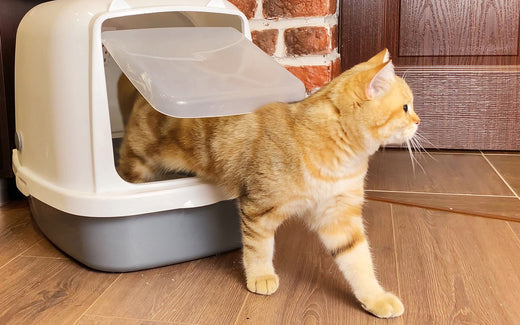

Abdominal pain, vomiting and diarrhea: It is not only we humans who suffer from gastrointestinal infections – cats can also be affected. However, since cats suffer in silence, it is important to observe them closely when symptoms occur. We will show you what causes a gastrointestinal infection, which symptoms indicate that your pet is ill, and what treatment is required.
Table of Contents
- How does a gastrointestinal infection manifest in cats?
- When is a visit to the vet necessary?
- Triggers for a gastrointestinal infection in cats
- Diagnosis at the vet
- Treatment of a gastrointestinal infection in cats
- How to prevent gastrointestinal infections in cats
- Conclusion – the most important points at a glance
- FAQ: Gastrointestinal infection in cats
How does a gastrointestinal infection manifest in cats?
Since diarrhea and vomiting are symptoms of many illnesses, it is not always easy to recognize a gastrointestinal infection. Typical complaints are:
- Diarrhea – often watery or slimy, sometimes with blood
- Vomiting – repeated gagging, sometimes with food remains or bile. If your cat does not vomit but constantly holds its head down, this is a sign of nausea.
- Loss of appetite – the cat eats little or nothing
- Fever and weakness – the animal appears weak and sleeps a lot
- Abdominal pain – recognizable by restlessness or licking the belly
- Fluid loss – dry mucous membranes, sunken eyes
These symptoms can occur individually or in combination. It is particularly dangerous if the cat loses a lot of fluid or blood is visible in the stool.
When is a visit to the vet necessary?
In some cases, a gastrointestinal infection subsides on its own. However, there are situations in which you should consult a vet immediately:
- Persistent diarrhea or vomiting for more than 24 hours
- Blood in the stool or vomit
- Severe fluid loss (dehydration – recognizable by dry mucous membranes, sunken eyes)
- Very young, old, or weakened cats – an infection often progresses more severely in them
- Additional symptoms such as fever, cramps, or apathy
If in doubt, do not wait too long. Especially in the case of fluid loss, a cat's condition can deteriorate rapidly. A quick visit to the vet significantly increases the chances of recovery.
Triggers for a gastrointestinal infection in cats
A gastrointestinal infection in cats is often caused by pathogens. These differ in symptoms, severity, and risk of transmission.
Bacteria
- Salmonella enters the cat's body through spoiled food or contaminated water. It causes watery or bloody diarrhea, fever, and severe abdominal pain.
- Clostridia are bacteria that can also occur in the intestines of healthy cats. However, if the balance of the intestinal flora is disrupted, they cause severe diarrhea.
- Campylobacter primarily affects young cats. Typical symptoms are slimy diarrhea, weight loss, and a weakened general condition.
Some bacterial infections can also be transmitted to humans. Good hygiene when handling sick cats is therefore particularly important.
Viruses
- The feline parvovirus (FPV), also known as cat plague, is highly dangerous. It causes severe vomiting, bloody diarrhea, and rapid dehydration. If left untreated, the disease is usually fatal. Vaccination offers the most reliable protection against parvovirus.
- The feline coronavirus (FCoV) usually only causes mild diarrhea. In rare cases, however, it can mutate into FIP (Feline Infectious Peritonitis), a severe and often fatal disease.
- Caliciviruses are primarily respiratory pathogens, but can also be associated with gastrointestinal complaints.
Parasites
- Giardia are tiny single-celled organisms that attach to the intestinal mucosa. They cause prolonged, often foul-smelling diarrhea and can be life-threatening for young or weakened cats. Infection occurs through water or contact with infected feces.
- Roundworms occur particularly frequently in young animals. They lead to digestive problems, a bloated belly, and weight loss.
- Coccidia are also single-celled organisms that cause severe diarrhea. They often occur in animal shelters or multi-cat households, where the risk of infection is higher.
Food
- Spoiled or contaminated food often leads to acute complaints such as diarrhea and vomiting.
- A sudden change in food can irritate the sensitive cat stomach and trigger temporary digestive disorders.
- Certain foods that are difficult to digest or contain ingredients that the cat is intolerant to can contribute to recurring infections.
Foreign bodies
Cats sometimes swallow small objects such as threads, rubber bands, or plastic parts. These can get stuck in the stomach or intestine and cause inflammation. Such cases are particularly dangerous because a foreign body can lead to an intestinal obstruction. This is an acute emergency and must be treated by a vet immediately.
Other triggers
- Also poisoning from plants, chemicals, or medications can lead to severe gastrointestinal complaints. Typical symptoms are sudden vomiting, tremors, or cramps.
- Stress also plays a role. Changes in the environment, such as a move, new animals in the household, or loud noises, can strain digestion and exacerbate complaints.
Diagnosis at the vet
A gastrointestinal infection in cats can have many causes. That is why an accurate diagnosis by the vet is crucial. Only then can the correct treatment be initiated. This is how the diagnosis works:
Stool sample and examination
- The vet examines a fresh stool sample for parasites, bacteria, or viruses.
- In addition, he checks the blood count to find clues of inflammation or other diseases.
- A physical examination provides information about the cat's general condition and shows whether it is dehydrated or in pain.
Differentiation from other diseases
Some symptoms resemble other diseases, such as poisoning, pancreatitis, or chronic intestinal disease. Through targeted tests, the vet can rule out that it is a more serious illness. In individual cases, further examinations such as X-rays or ultrasound are necessary to detect foreign bodies or tumors.
A quick and thorough diagnosis is important because a cat's condition can deteriorate very quickly in the event of severe fluid loss or a severe infection.
Treatment of a gastrointestinal infection in cats
The treatment depends on the cause of the infection. The goal is to relieve the symptoms, stabilize the fluid balance, and specifically combat the cause.
Medication and veterinary therapy
- Depending on the findings, the vet prescribes antibiotics against bacteria or special preparations against parasites such as Giardia.
- In viral infections, supportive measures are usually the focus, as there is no direct cure.
- Medications against diarrhea, nausea, or pain can significantly relieve the cat's symptoms.
Change in food, light diet, and fluid intake
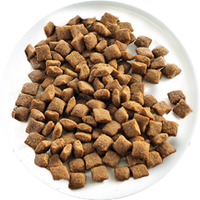
- A light diet with easily digestible food relieves the digestive tract. Cooked chicken or special diet food is often well-suited. Our GASTRO range contains easily digestible and low-fat diet food that additionally supports your cat's gastrointestinal tract.
- A change in food should always be done slowly to avoid placing additional strain on the intestines. It is especially useful when the cat's complaints are due to intolerances or if the food contains ingredients that are difficult to digest and additionally overtax the gastrointestinal tract.
- Adequate fluid intake is particularly important. Cats with severe diarrhea or vomiting often need infusions at the vet to compensate for the loss of water and minerals.
[Gastro1]
[Gastro2]
Home remedies – useful or risky?
Some cat owners rely on home remedies such as medicinal herbs or Morosche carrot soup.[1] These can have a supportive effect in mild cases. However, it is important to use home remedies only in consultation with the vet. If used incorrectly, they can worsen the infection or strain other organs.
As a general rule: home remedies cannot replace veterinary treatment, but can only complement it.
How to prevent gastrointestinal infections in cats
Many gastrointestinal infections in cats can be avoided through simple measures. With a little attention in everyday life, you can significantly reduce the risk.
Hygiene and nutrition
- Clean food and water bowls regularly so that bacteria or parasites do not spread.
- Always offer fresh water and change it daily.
- Pay attention to high-quality and fresh food. Spoiled food should be disposed of immediately.
- Avoid abrupt changes in food. New varieties should always be introduced slowly and gradually.
Tips for chronic cases
- Cats with a sensitive stomach often benefit from special food that is easily digestible and relieves the intestines.
- Regular stool examinations at the vet help to detect and treat parasites early.
- A regular deworming treatment reliably protects against roundworms and other intestinal parasites that can cause infections. The frequency depends on the cat's lifestyle and whether it has access to the outdoors.
- In multi-cat households, you should pay particular attention to hygiene, as infections can spread quickly.
- Consistent vaccination protects against dangerous viral triggers such as feline parvovirus.
Conclusion – the most important points at a glance
A gastrointestinal infection in cats is not uncommon and can have harmless, but also very serious causes. The key is to recognize the symptoms early and react correctly.
What you should keep in mind:
- Pay attention to typical signs such as diarrhea, vomiting, loss of appetite, and weakness.
- Make sure your cat always gets enough fluids.
- Mild infections can often be relieved with a light diet and rest.
- If the symptoms persist for more than 24 hours or worsen, you should consult a vet immediately.
- Prevent it: Regular vaccinations, deworming treatments, hygiene, and high-quality food reduce the risk of illness.
[1] https://www.gesundheitszentrum-fuer-kleintiere-luedinghausen.de/tierarztblog/artikel/morosche-karottensuppe.html