








Diarrhea in cats is usually caused by food issues, parasites, or infections. Monitor your cat closely and check their stool, behavior, general well-being, and water intake. If the diarrhea lasts longer than two days or additional symptoms such as vomiting or abdominal pain occur, your cat should see a veterinarian. In the short term, easily digestible food and plenty of water can help. Medications or other remedies should only be used after a veterinary diagnosis.
Table of Contents
- Causes of diarrhea in cats
- Recognizing typical symptoms
- When is a visit to the veterinarian necessary?
- First aid at home: Stopping diarrhea in cats
- Cat food for diarrhea
- Cat food for diarrhea: How to make the right choice
- Medications for diarrhea in cats
- Diarrhea in kittens: Take it especially seriously
- Conclusion: Correctly assessing and acting on diarrhea in cats
- FAQ – Frequently asked questions about diarrhea in cats
Causes of diarrhea in cats
Diarrhea in cats is a symptom and indicates that digestion is impaired. The causes range from stress and parasites to food issues or illnesses:
Stress as a trigger
Cats react sensitively to changes in their environment. A move, new furniture, unfamiliar people, a new companion animal, or changed feeding times can cause stress. This stress can affect digestion and lead to temporary diarrhea.
Parasite infestation
Worms or giardia often cause diarrhea in cats, which is sometimes accompanied by vomiting. A stool examination provides clarity. Parasite infestation can generally be well treated with a deworming treatment or medications effective against giardia.
Nutrition
Diet-related factors are the most common cause of diarrhea in cats:
- Eating unsuitable substances such as cleaning products, houseplants, or garbage remains can cause diarrhea or even poisoning (veterinary emergency).
- Food allergies or intolerances lead to diarrhea as a bodily reaction. An elimination diet with a single protein over 10–12 weeks helps with the diagnosis. Important: A negative allergy test does not rule out an intolerance.
- Abrupt food changes can disrupt the intestinal flora. New food should be gradually mixed in over 5–7 days.
Illnesses
If stress, parasites, and food are unlikely to be the causes, illnesses may be considered. These include gastrointestinal infections (bacteria, viruses) as well as diseases of the thyroid, liver, or pancreas. These should be investigated by a veterinarian.
In short: Diarrhea in cats is usually caused by food, stress, or parasites. If it persists or additional symptoms occur, a veterinary examination is important.
Recognizing typical symptoms
Not only loose stool indicates diarrhea. Many cats also appear tired, lose weight, or eat poorly. Their general well-being often visibly deteriorates. Some drink more, others withdraw, or react sensitively to touches in the abdominal area, which can indicate abdominal pain.
Typical warning signs are:
- mushy or watery stool
- unusually frequent bowel movements
- strong odor
- mucus or blood in the stool
- lethargy or loss of appetite
Note: Free-roaming cats often show symptoms later. Weight loss may then be the first visible sign.
When is a visit to the veterinarian necessary?
A one-time loose bowel movement is usually harmless. If the diarrhea lasts longer than 24 to 48 hours, you should take action. Your cat needs immediate help if there is blood in the stool, fever, severe vomiting, or significant weakness as well as severe abdominal pain.
The veterinarian performs various examinations to make a diagnosis: They check the fluid balance, palpate the abdomen, and examine the stool for parasites. Blood tests show inflammation or organ problems. An ultrasound examination can complement the diagnosis in chronic diarrhea.
First aid at home: Stopping diarrhea in cats
Your cat now needs above all rest and fluids. Provide several water bowls. Remove suspicious food and monitor your cat's behavior as well as their stool.
Using a light diet correctly
In the short term, easily digestible food relieves the intestines. Cooked chicken without spices or small amounts of rice are suitable. This phase should only last a few days so that the cat does not lack nutrients.
Home remedies such as psyllium husk or elderberry bark can stabilize the intestines. However, they do not replace a diagnosis and are merely supportive remedies for mild diarrhea.
Home remedies for diarrhea: Chances and limitations
Many cat owners initially turn to home remedies for mild diarrhea. Some can support digestion as long as there is no serious illness. Veterinarians therefore see them as a supplement, not a replacement for diagnosis and therapy.
Possible benefits:
- can stabilize stool consistency
- support the intestinal flora
- are easily available
- are usually well tolerated
Typical examples are psyllium husk, bentonite clay, or elderberry bark. They bind fluid in the intestines or protect the mucous membrane.
Possible disadvantages:
- incorrect dosage can worsen discomfort
- effect is only limitedly proven
- the cause remains untreated
- a visit to the doctor is sometimes delayed
Note: Home remedies are only suitable for mild symptoms without additional symptoms. If fever, blood in the stool, or severe weakness occur, this support is not sufficient. In this case, you should take your indoor cat to a veterinarian as quickly as possible.
Cat food for diarrhea
Special diet foods specifically support the intestines. They contain:
- easily digestible proteins
- moderate fat content
- prebiotics
- electrolytes
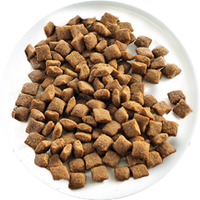
This combination stabilizes the intestinal flora faster than normal food or conventional dry food. A food change in small steps over several days remains important.
Cat food for diarrhea: How to make the right choice
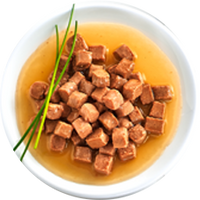
A suitable diet food such as KATTOVIT Gastro relieves the intestines and supports the regeneration of the intestinal flora.
Pay special attention to the following points when choosing food:
- clearly declared ingredients
- preferably a single protein source (monoprotein)
- easily digestible carbohydrates
- moderate fat content
- addition of prebiotics for intestinal stabilization
For suspected allergies, monoprotein food is particularly suitable. It not only helps alleviate symptoms but also helps veterinarians with the diagnosis as part of an elimination diet.
Medications for diarrhea in cats
Medications only make sense if the cause is known. In the case of parasites, targeted deworming is required. Bacterial infections must be treated with antibiotics. Electrolyte solutions protect against dehydration. Probiotic remedies stabilize the intestinal flora and strengthen the immune system.
Note: Administering medication independently can mask or worsen symptoms. Therefore, every treatment should be coordinated by a veterinarian.
Diarrhea in kittens: Take it especially seriously
Diarrhea poses a significantly higher risk for kittens than for adult cats. Their bodies have fewer reserves and lose fluid as well as electrolytes more quickly. This can cause their condition to deteriorate rapidly.
Common causes are:
- parasites such as giardia or worms
- sudden food changes
- viral infections
- stress from moving or separation
Since young cats can become dehydrated quickly, a veterinarian should be consulted early in the event of diarrhea. Rapid treatment significantly improves the chances of recovery.
Conclusion: Correctly assessing and acting on diarrhea in cats
Diarrhea in cats is often not a standalone problem, but rather an indication of an imbalance in the body. Food changes, parasites, or infections are often behind it. The key is to recognize changes early and not just treat the symptoms.
Pay attention to adequate fluid intake and a well-tolerated diet. A light diet helps in the short term but should not be used permanently. If discomfort lasts longer than two days or additional symptoms such as vomiting or abdominal pain occur, your cat should see a veterinarian.
With monitoring, suitable food, and targeted therapy, digestion can usually be stabilized quickly and kept healthy in the long term.