











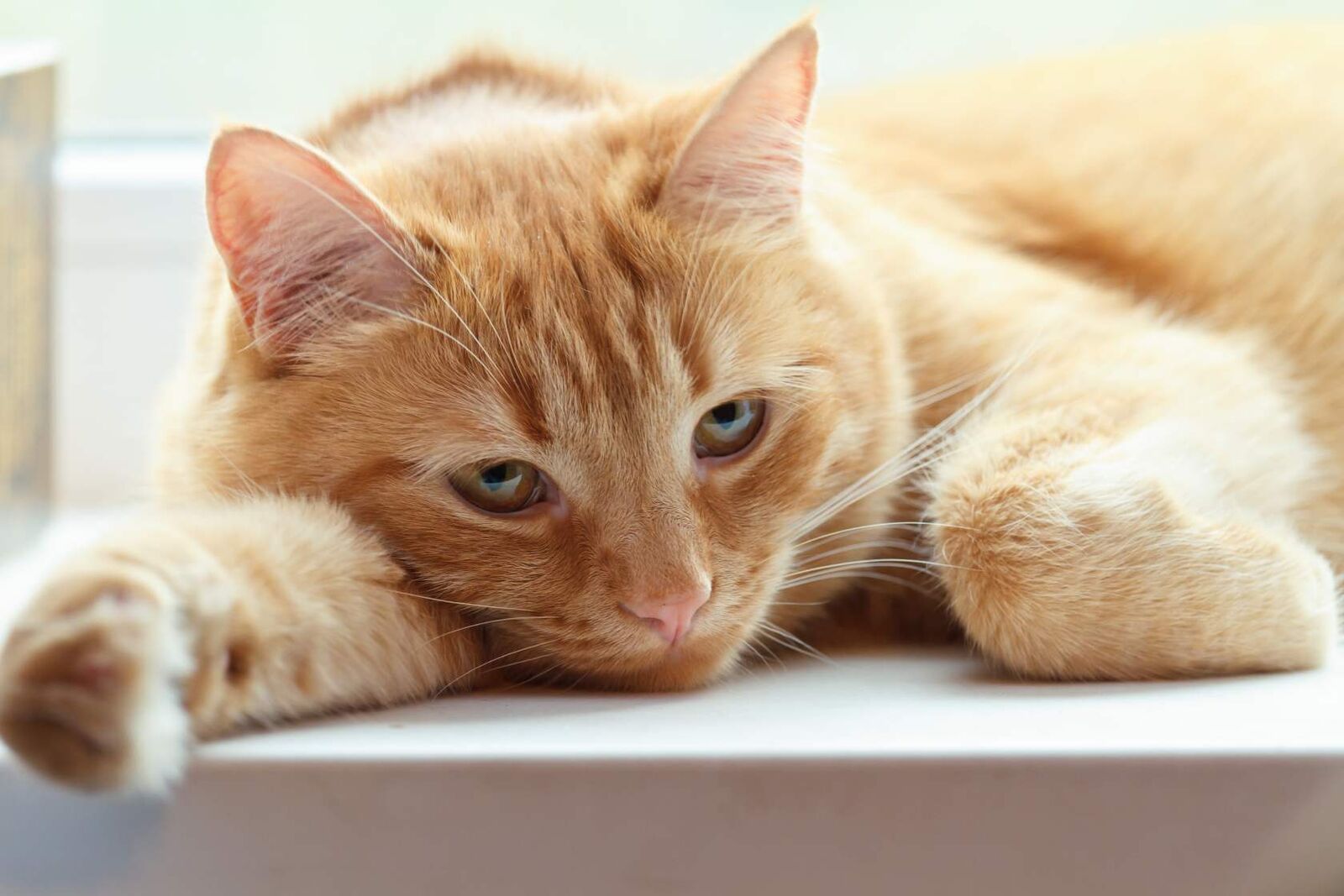

Cats are hunters, which means they must not show any weakness in the wild. If they are injured or in pain or suffering in any other way, they will behave accordingly and try not to draw attention to themselves. This makes it very difficult for cat owners to realize that their beloved pet is suffering. It is therefore all the more important to keep a close eye on your cat and know which symptoms and behavioral changes to look out for. Below, we show you how to tell if your cat is suffering and what you can do about it.
Table of Contents
The behavior of a cat in distress
While we humans can express that we are unwell, a cat remains silent. Although it could draw attention to its pain by meowing, such conspicuous behavior would scare away prey in the wild. Generally, a cat must be feeling quite unwell before it shows its distress through changed behavior. When it does, it is usually quiet and withdraws, appearing tired and lethargic. If your normally affectionate and playful indoor cat now prefers to lie in its hiding place and does not like to be touched, it is probably not feeling well.
If you try to pet the animal in this state or encourage it to play, you will probably provoke a rejection, perhaps even an aggressive reaction. If the cat is in severe pain, it may also extend its claws or bite when you try to pet it. Therefore, treat your cat with great gentleness and care if you feel that it is suffering or in pain. Even if you instinctively feel that some affection would do the animal good, cats want their peace. Do not let it confuse you if your beloved pet purrs. In this case, it does not mean that the cat is feeling comfortable. On the contrary: it is trying to calm itself by purring.
Any behavior that deviates from your cat's normal behavior should therefore catch your attention. Withdrawal, sensitivity to touch, aggression, a hunched posture or limping indicate that the animal is suffering. In addition to its behavior, you can also look for other symptoms that may give a clearer indication of why your cat is suffering.
[Sensitive]
Symptoms and causes of distress
If you notice that your cat is withdrawing unusually, you should look for other visible signs. These include, above all, external injuries and wounds as well as changes in the animal's overall appearance. Because cats have thick fur, injuries are not always immediately noticeable. If the animal allows itself to be petted, you can gently stroke along its body and feel for any abnormalities. Tufts of fur that have been pulled out can also be a clue.
Not only missing fur, but also a dull and matte coat color can indicate that something is wrong with your beloved pet. Various illnesses or a nutrient deficiency could be the cause. In this case, a veterinarian will perform various examinations to find out more.
If you feel that your cat is eating less or has stopped eating altogether, this is a clear indication that the animal is not feeling well. This could be due to a food allergy, an infectious disease or another illness, as well as fear or stress. However, injuries in the mouth and throat area are also often a major factor. If this is the case, cats usually also have a noticeably unpleasant breath.
If your cat is breathing very shallowly, this may be an indication of circulatory problems. Dizziness is also unpleasant for cats and can lead to nausea. A weak circulation can have many causes. The animal may have been exposed to intense heat for a long time or may have not drunk enough. However, infectious diseases, pain, malnutrition or other illnesses can also cause shallow breathing.
In a cat in distress, dilated pupils are also frequently observed. Therefore, pay attention to the animal's eyes if you are unsure how it is feeling. If the room is bright and the cat has not just been chasing a toy or something similar with its eyes, its pupils should be a normal size. If they are still noticeably dilated, this is an indication that the animal is tense or afraid.
The behavior and symptoms of a cat in distress are very subtle. It takes a closer look to determine how the animal really feels. The better you know your beloved pet, the sooner you will notice that something is wrong. If the distress lasts longer than one or two days – depending on the accompanying symptoms and their severity – you should consult a veterinarian who can examine exactly what is wrong with your animal and start appropriate treatment.
Treatment
If your cat is suffering, you should first and foremost give it peace and quiet. If its condition does not improve after a day, have the exact cause investigated. A veterinarian can palpate the cat for injuries or, for example, X-ray it to look for internal injuries. Other illnesses can also be diagnosed using blood, urine and stool samples. The more accurate the diagnosis, the better the treatment.
Depending on what is wrong with your indoor cat, various treatment methods may be considered. If your cat is suffering from a gastrointestinal illness, switching to a light diet may already be helpful. The same applies to metabolic disorders such as diabetes or kidney failure. A diet tailored to the illness can often alleviate the animal's suffering.
If the cause of the pain is the teeth, the offending teeth will be removed. If your indoor cat merely has tartar, the veterinarian will remove this as well. Dental hygiene should not be neglected in cats either, as dental diseases can have a negative effect on the heart, liver and kidneys.
If your cat has problems with its musculoskeletal system and can, for example, only walk or jump with difficulty, movement therapy can also help. This can be active, with the animal carefully encouraged to perform hurdle training, slalom or climbing exercises under the supervision of a physiotherapist. It can also be performed passively by the therapist, who moves the animal's limbs.
Depending on the cause of the distress or illness, various medications may also be used. If the cat is in severe pain, administering painkillers is helpful. In the case of metabolic disorders, medication is usually used to maintain the metabolism. Serious illnesses such as cancer or feline AIDS are treated with medication to both stop or slow the spread of the disease and help alleviate the animal's suffering.
If no treatment works and your beloved pet continues to suffer without any prospect of improvement, you should also consider putting the animal out of its misery. In this case, seek extensive advice from a veterinarian and get a second opinion. Deciding to euthanize an animal is very difficult. However, the cat's well-being should always come first. For them, a life full of pain is torture, which is why this final step is meant to take that away.
In any case, it is important to recognize the animal's distress as early as possible and act quickly. Otherwise, the distress and pain can become ingrained in the animal's memory and become chronic. Treating chronic pain is much more difficult than treating acute pain.