









Table of Contents
- When a cat's third eyelid is visible: third eyelid protrusion
- Is a third eyelid protrusion serious?
- Third eyelid protrusion in cats: possible causes
- How long does a third eyelid protrusion last in cats?
- Third eyelid protrusion in cats – what to do?
- Preventing third eyelid protrusion
- Frequently Asked Questions
When a cat's third eyelid is visible: third eyelid protrusion
The third eyelid may be an unknown concept to many cat owners, as we humans only have two eyelids. Cats also possess a third eyelid, known as the nictitating membrane. This usually whitish membrane is located in the inner corner of the eye and performs important functions: the third eyelid produces about 40% of a cat’s tear fluid, moisturizes the cornea, and protects the eyeball from dirt and foreign objects.
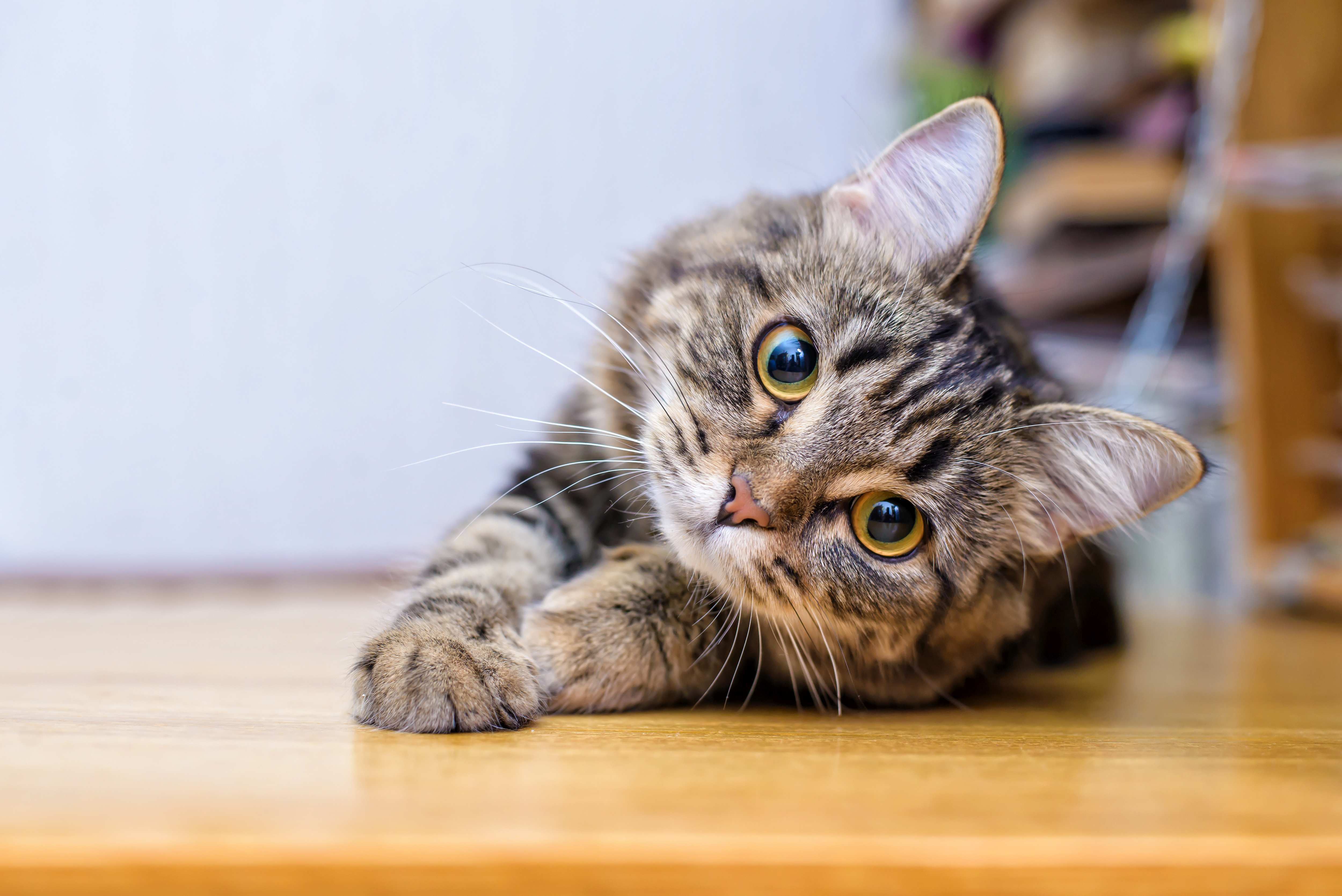
Normally, a cat's third eyelid is barely visible and at most can be seen as a small fold in the inner corners of the eyes. However, if the third eyelid protrudes clearly to the center of the eye in front of the eyeball, this is known as a third eyelid protrusion.
Is a third eyelid protrusion serious?
A third eyelid protrusion in a cat looks alarming at first and causes concern. The protrusion itself can lead to limited vision for your feline friend and is certainly uncomfortable. However, the third eyelid protrusion is not an independent disease, but always a symptom. Therefore, the cause of the protrusion as well as any accompanying symptoms should be the primary cause for concern.
How serious the third eyelid protrusion is for your cat depends on the underlying medical condition. If you notice a third eyelid protrusion in your cat, you should consult a veterinarian immediately to investigate the cause.
Third eyelid protrusion in cats: accompanying symptoms
A third eyelid protrusion in cats can occur either unilaterally or bilaterally. If the third eyelid protrudes in both eyes simultaneously, a systemic illness is most likely behind it. A unilateral protrusion, on the other hand, suggests that the affected eye is injured or diseased.
Depending on the cause, various accompanying symptoms may accompany the third eyelid protrusion. The following symptoms, among others, are possible:
- Limited mobility due to vision difficulties
- Sunken or protruding eyeballs
- Reddened eyes
- Increased tear production
- Sensitivity to light
- Gastrointestinal problems, including diarrhea
- Vomiting
Third eyelid protrusion in cats: possible causes
Various diseases, injuries, and problems can be the cause of a third eyelid protrusion in cats.
1. Inflammation
Problems with a cat's eye, such as a third eyelid protrusion, can often be attributed to inflammation. Conjunctivitis occurs frequently in cats. With conjunctivitis, the eye and eyelids are swollen, the eye tears excessively, and your cat blinks often or rubs its eye with its paw. Sneezing, nasal discharge, and a third eyelid protrusion can also be consequences of conjunctivitis.
2. Infections
Infections of any kind place an enormous burden on your cat's immune system and can trigger a third eyelid protrusion. Cat flu is frequently accompanied by a third eyelid protrusion. The dangerous cat flu also manifests through watery eyes, nasal discharge, and sneezing, and can be caused by various pathogens.
3. Tumors or foreign objects
If a third eyelid protrusion develops in your cat, a tumor in the eye area could be the underlying cause. A tumor can, for example, push the eyeball out of its socket and thus trigger a third eyelid protrusion. Alternatively, a foreign object piercing the eye or some other type of injury can also result in a third eyelid protrusion.
4. Worms
A third eyelid protrusion in your cat can also be caused by worms. In many cases, a worm infestation also triggers stomach upset, diarrhea, and vomiting. If these symptoms occur simultaneously with the third eyelid protrusion, you should have your cat checked for worms.
5. Kidney or liver diseases
If your cat suffers from a kidney or liver disease, such as kidney insufficiency, liver inflammation (hepatitis), or fatty liver—which can also lead to diabetes—these health problems can cause a third eyelid protrusion as a symptom.
6. Stress
Stress can place a heavy burden on your feline friend and manifest physically, including in the form of a third eyelid protrusion. If the third eyelid protrudes over your cat's eye, consider whether your cat has recently been exposed to stressful changes such as moving house or new animal or human housemates.
7. Emaciation and dehydration
If your cat is too thin or has lost a lot of weight and fluids in a short period due to health problems, these physical changes can trigger a third eyelid protrusion. As weight is lost, the tissue that holds the eyeball in position also diminishes. Consequently, the eyeball sinks into the eye socket, causing the third eyelid to protrude over the eye.
8. Feline dysautonomia (Key-Gaskell syndrome)
A rare cause of a third eyelid protrusion is feline dysautonomia, also known as Key-Gaskell syndrome. This is a nervous system disorder that occurs in only a few cats. If the nerves in the eye are also affected, a bilateral third eyelid protrusion can occur. Further signs include a dry nose, reduced tear fluid, and the regurgitation of food back into the mouth.
9. Horner's syndrome
Horner's syndrome is caused by nerve damage to the eye and manifests through a unilateral third eyelid protrusion, a constricted pupil, and a drooping upper eyelid. The triggers for Horner's syndrome are varied and can sometimes remain unclear in individual cases. In some cats, hypothyroidism, a tumor, or a disease of the outer or middle ear, such as an ear infection, is behind Horner's syndrome.
10. Haw syndrome
If a bilateral third eyelid protrusion occurs suddenly and without other specific symptoms, experts call it Haw syndrome. Apart from the protrusion of the third eyelid, the cat's eyes are completely unaffected. The protrusion occurs due to a temporary disturbance in nerve supply.
In the initial stage, your cat may suffer from mild fever and loss of appetite. Haw syndrome is not yet fully understood. A worm infestation that triggers a strong immune response, potentially disturbing the eye's nerves, is a possible cause. Gastrointestinal problems and chronic diarrhea are also suspected of triggering Haw syndrome with a third eyelid protrusion through the release of endotoxins.
How long does a third eyelid protrusion last in cats?
In some cases, no cause for a cat's third eyelid protrusion can be found. This is then referred to as an idiopathic third eyelid protrusion. This usually heals on its own within six to eight weeks. If your veterinarian identifies an underlying disease, injury, or other cause for the protrusion, the duration of the third eyelid protrusion depends on the treatment of that underlying cause.
Third eyelid protrusion in cats – what to do?
So, what can you do if you notice a third eyelid protrusion in your cat? First, you should quickly schedule an appointment with your veterinarian and have your cat thoroughly examined to determine the cause of the protrusion.
The subsequent treatment of the third eyelid protrusion should be tailored to the specific trigger. The following options, for example, are possible:
- Worm infestation: If your feline friend is suffering from a worm infestation, you should address deworming your cat as soon as possible.
- Haw syndrome, Horner's syndrome: If these conditions are suspected, veterinarians often use eye drops containing the active ingredient phenylephrine for treatment or further diagnosis.
- Tumor, injuries: If a tumor or an injury caused by a foreign body is causing the protrusion, surgery is usually necessary to treat the cause.
- Weight loss: If the protrusion is due to severe emaciation leading to the sinking of the eyeball, the underlying causes of the weight loss must be treated. Possibilities include food allergies, gastrointestinal infections, chronic diseases, or a debilitating surgery. Furthermore, you should—tailored to the specific cause—counteract the weight loss and nurse your feline friend back to health. This can be achieved with the help of food—for example, with hypoallergenic diet food or the KATTOVIT recovery diet for weakened cats.
[Recovery diet]
Preventing third eyelid protrusion
Because the causes are extremely varied, it is difficult to prevent a third eyelid protrusion in your cat. Nevertheless, the following tips can help to keep the risk as low as possible and to identify health problems that could lead to a protrusion at an early stage.
- Regular check-ups at the vet: By taking your feline friend for regular vet appointments, you ensure that problems can be detected and treated early.
- Check the eyes: Keep an eye on your cat’s eye health and watch for warning signs such as redness, dryness, excess tearing, swollen lids, and the condition or position of the third eyelid in the corner of the eye.
- Avoid drafts: To protect your cat's eyes, you should avoid drafts in the home and ensure your cat’s retreat area is in a protected spot. Drafts can otherwise contribute to conjunctivitis, which in turn can trigger a third eyelid protrusion.
- Regular deworming: Parasites like worms can impair your pet's health and should therefore be prevented or treated as effectively as possible. Regular deworming in consultation with your veterinarian is therefore sensible.
- Keep up with vaccinations: To protect your feline friend from unnecessary illnesses, you can perform all recommended vaccinations. These include, for example, vaccinations against cat flu, as this disease can not only cause third eyelid protrusions but can be life-threatening for some cats.