











Table of Contents
- Itchy ears: possible causes for scratching
- Cat scratching its ears – when should you see a vet?
- Ear problems in cats: prevention
- FAQ – Questions and answers about ear problems in cats
Itchy ears: possible causes for scratching
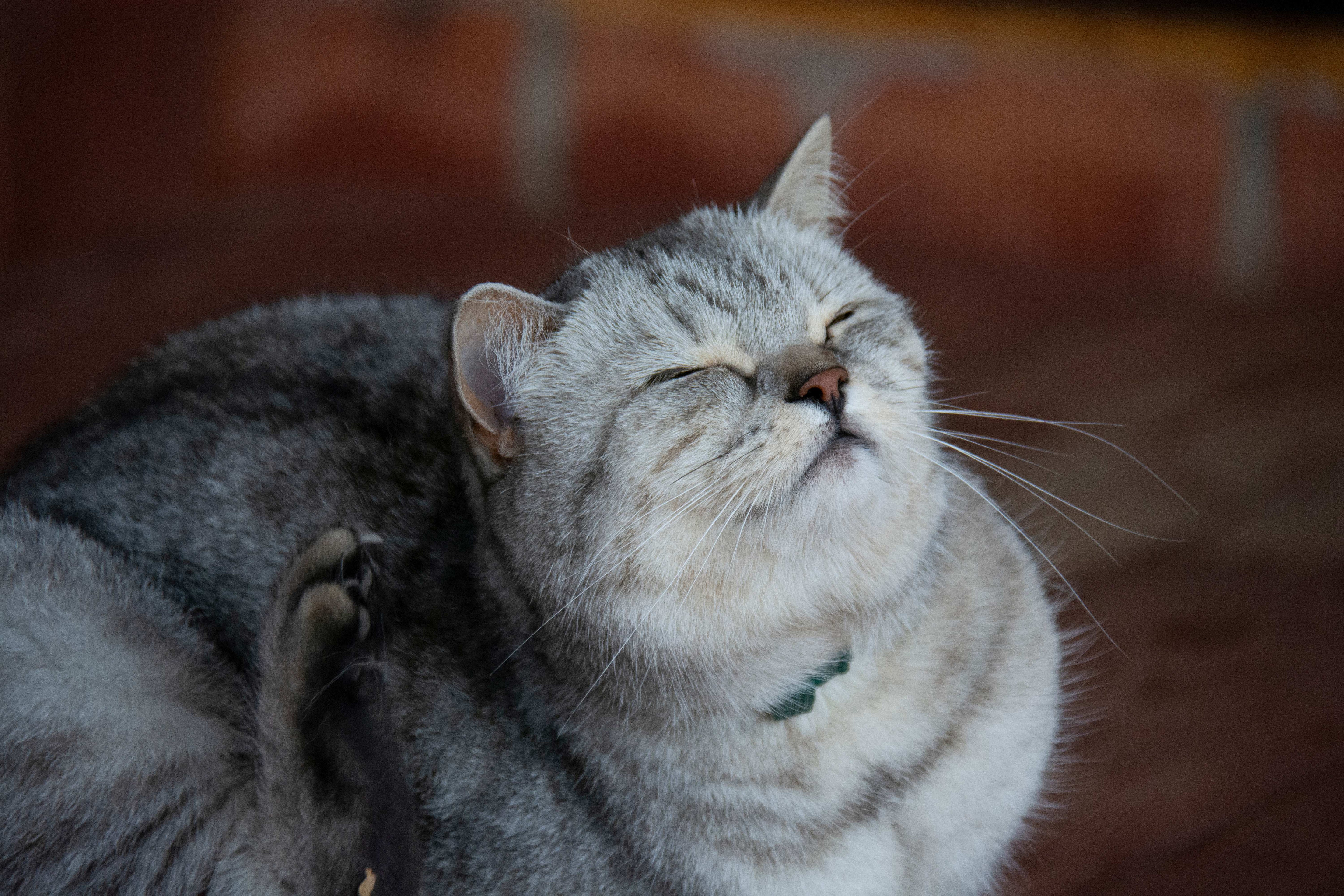
If a cat scratches its ears frequently, it can have various causes. Some are harmless, while others require veterinary treatment. In any case, you should observe the symptoms thoroughly so that problems can be identified early. These are the most common reasons why cats scratch their ears:
Ear mites
Ear mites are tiny parasites that settle in the ear canals of cats. An infestation of ear mites is also known as ear mange (otodectic mange). The mites feed on skin flakes and cause severe itching in the cat's ear. Ear mange is contagious to other cats. If possible, you should separate the affected cat from other animals until the treatment is complete. Ear mites are not contagious to humans.
Typical symptoms of ear mites:
- Intense scratching at the ears
- Frequent head shaking
- Dark brown to black, crumbly discharge in the ears (similar to coffee grounds)
- Redness and swelling inside the ear
- Crusting
- Hair loss
Diagnosis:
If you suspect ear mites, you should see a veterinarian with your cat. The vet will examine the ear with an otoscope, which makes it easier to spot the mites. In addition, an ear swab can be analyzed under a microscope.
Treatment:
In the case of a mite infestation, medication is used: they can be treated effectively with special anti-parasitic agents. As a rule, ear drops or spot-on preparations are applied directly to the skin. You should also clean your cat's ears regularly during the medical treatment: mild ear cleaners, which you can also obtain from the vet, are suitable for this. Also, ask the vet whether other pets in your household need to be treated to prevent them from infecting each other.
Ear infections
If your cat frequently tilts its head and there are scratch marks on its ears and neck, it may have an ear infection. An ear infection (otitis externa) is often caused by bacteria or fungi that multiply in the humid environment of the ear canal. Allergies or ear mites can also promote an infection. Depending on the cause, the ear infection can be contagious to other cats – for example, if a bacterial infection is behind it.
Typical symptoms of ear infections:
- Redness and swelling of the ear
- Frequent head shaking
- Scratching at the neck and ears
- Increased ear discharge and debris in the ears (yellowish or brown)
- Unpleasant odor from the ear
- Pain when touching the ear
- In advanced infections: fever, pain, lethargy, loss of balance
Diagnosis:
The veterinarian will examine the ear with an otoscope and often take a sample of the ear discharge for analysis. This way, bacteria or a mite infestation can be identified as the cause. An allergy test is also usually performed to rule out allergies as the cause of the infection.
Treatment:
The therapy depends on the cause. Bacterial infections are treated with antibiotics, while fungal infections are treated with antifungals. In some cases, anti-inflammatory agents are necessary to reduce swelling. In addition, the vet usually cleans the cat's ears with a special ear cleaner. Often, you can support the healing process by regularly caring for your cat's ears. Ask your vet for advice on this.
Allergies
Itchy ears can be a sign of an allergy. For example, cats can be allergic to pollen, dust mites, or certain types of food. To find out if an allergy is present and what the cause is, the vet will perform an allergy test. If an allergy is diagnosed in the cat, the allergenic substances must be avoided so that the animal can recover quickly.
Typical symptoms of allergies:
- Itching on the head, ears, and other parts of the body
- Increased grooming to relieve itching
- Skin redness or hair loss, and potentially bald patches
- Digestive problems such as diarrhea and vomiting (with food allergies)
- Possibly difficulty breathing or shortness of breath
Diagnosis:
An elimination diet helps to identify food allergies. During such a diet, the cat initially only receives food with ingredients that have not been part of its diet before. You can obtain special food for this from your vet, for example. If the symptoms improve quickly after the change in diet, an allergy to the previous food is very likely. If you suspect environmental allergies, an allergy test can be performed at the vet.
Treatment:
Once allergies have been identified in your cat, contact with the allergens should be avoided. In some cases, anti-allergic medication or a special diet can help – your vet will provide you with detailed advice on this.
If a food allergy is present, you should switch to hypoallergenic diet food in consultation with the treating vet as soon as the affected ingredients have been identified. KATTOVIT Sensitive has been specially developed for cats with intolerances and food allergies. Based on veterinary findings, we rely on easily digestible ingredients and gentle formulas in this diet food.
[Sensitive]
Foreign objects in the ear
Sometimes small foreign objects such as blades of grass, dust, or insects get into the cat's ear. This leads to irritation or injury to the ear canal.
Typical symptoms:
- Sudden head shaking
- Scratching at the affected ear on one side
- Restlessness and sensitivity when touching the ear
Diagnosis and treatment:
A veterinarian can safely remove the foreign object with special instruments. In some cases, anti-inflammatory medication is given after removal if the ear is irritated or injured by the foreign object.
Behavioral causes
Physical causes are not always behind the scratching. Some cats also scratch their ears out of boredom, stress, or insecurity.
Possible causes for stress-related scratching:
- Changes in the environment (moving house, new pets, unusual noises)
- Lack of stimulation or boredom
- Competition or conflict with other cats in the household
Treatment:
Reduce stress and boredom – a stimulating environment with scratching posts, toys, and hiding places helps to reduce stress and prevent boredom. Pheromone sprays or calming dietary supplements can also provide support.
Cat scratching its ears – when should you see a vet?
It is normal for cats to scratch their ears occasionally. However, if the scratching occurs noticeably frequently or if other symptoms are recognizable, this can indicate a serious illness. In such cases, it is important to see a vet to clarify the cause and initiate the correct treatment.
A vet visit is necessary if your cat shows one or more of the following symptoms:
- Persistent and intense scratching: If your cat is constantly scratching its ear and the behavior does not subside after a short time, it can be a sign of illness. Especially if the scratching is so intense that the skin becomes red or small wounds develop, a veterinarian should be consulted.
- Frequent head shaking or head tilt: If your cat shakes its head often or keeps it tilted, it could indicate an infection or a foreign object in the ear. Ear mites, bacterial infections, or middle ear infections are possible causes.
- Redness, swelling, or warm ears: Significant redness of the inner ear or a swollen pinna (ear flap) are signs of an infection. If the ear also feels warm, it may indicate a bacterial or allergic reaction.
- Foul-smelling discharge or increased ear wax: An unpleasant odor from the ear is often a sign of an infection. Excessive accumulation of ear wax that looks dark brown, yellowish, or even purulent can also indicate ear mites, a fungal infection, or a bacterial infection.
- Pain reactions when touching the ear: If your cat suddenly reacts sensitively to being touched on the ear, withdraws, or hisses, it may be in pain. Especially if it favors the ear or avoids being touched there, a visit to the vet is advisable.
- Hair loss or bloody scratch marks around the ear: If your cat scratches itself so severely that bald patches or bloody wounds appear, there is likely intense itching. This can be caused by parasites, an allergic reaction, or a skin condition.
Ear problems in cats: prevention
To ensure your cat doesn't suffer from itching and ear problems in the first place, you can take a few preventive measures. These include regular ear care, a clean environment, and a healthy diet.
Regular ear care
Cats' ears are normally self-cleaning, but it can still be useful to check them occasionally. This way, you can identify changes early and take action if necessary.
- Check ears regularly for dirt or redness: Look at your cat's ears at least once a month. If you notice dark ear wax, redness, or an unpleasant odor, this could indicate an infection or ear mites.
- Gentle cleaning if necessary: If dirt or excess ear wax accumulates, you can carefully clean the ear with a soft, damp cloth or a special ear cleaner for cats. Important: Do not use cotton swabs, as they can push dirt deeper into the ear canal.
- Preventing ear mite infestation: Cats that spend a lot of time outdoors or come into contact with other animals are at a higher risk of ear mites. Regular checks and, if necessary, preventive spot-on preparations can help prevent an infestation.
Creating a clean environment
A hygienic environment helps to avoid parasites and infections.
- Regularly clean cat beds, blankets, and scratching posts: Mites and bacteria can settle in fabrics. Regular washing at at least 60 °C can reduce potential pathogens.
- Avoid dust and dirt in the home: Particularly sensitive cats react to house dust or pollen with allergic reactions. Regular vacuuming and airing can help reduce irritants.
- Examine other pets for parasites: If you have several animals, they should be regularly checked for parasites and treated if necessary to prevent cross-infection.
Healthy diet
A healthy diet helps build a strong immune system – and that in turn helps cats fight off infections more effectively.
- Choose high-quality food: A balanced diet with high-quality proteins and essential nutrients contributes to overall health and can reduce allergic reactions. KATTOVIT Vital Care is our cat food for every day – and strengthens demanding cats from the inside out.
- Nutritional supplements to strengthen the immune system: Products like the KATTOVIT Recuperation can help support the immune system after an illness or surgery and improve resistance to infections.
- Consume enough liquid: Adequate water intake keeps the mucous membranes moist and supports the body in fighting off infections. If your cat drinks little, you can offer more wet food or a drinking fountain.