









Inflammation in a cat’s mouth is quite common. Unfortunately, this is the case, as it is often accompanied by great pain and significantly impairs your velvet paw's quality of life and health. Such inflammation can indicate serious illnesses on the one hand, and have grave consequences on the other if left untreated. For this reason, you should always keep an eye on your cat’s dental and oral health. Find out here what causes oral inflammation, which symptoms typically occur, and how best to treat your feline friend.
Inflammation in a cat’s mouth
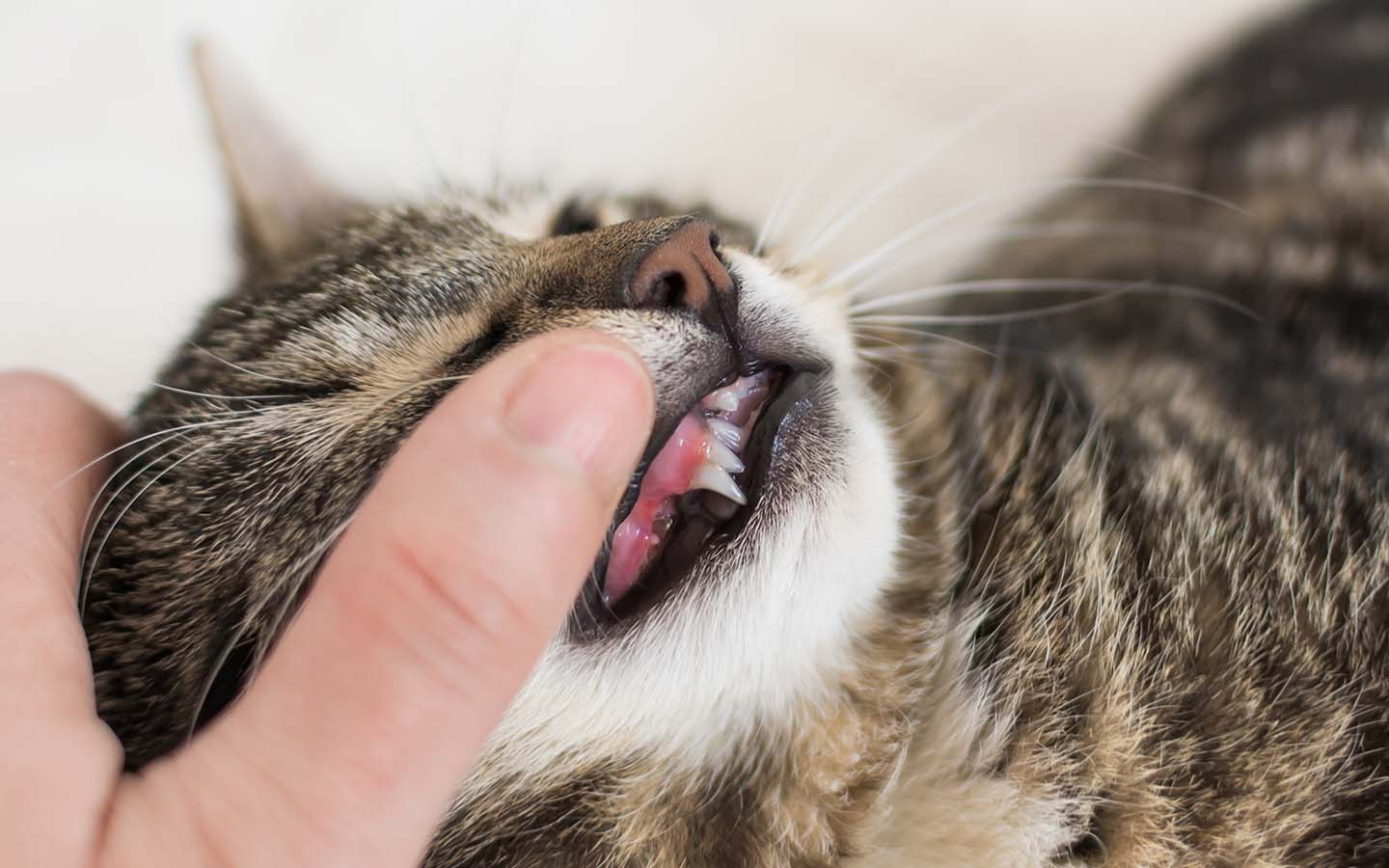
Inflammation in a cat’s mouth is a common phenomenon that can manifest in various ways. If the gums are inflamed, experts refer to this as gingivitis. If the mucous membranes throughout the entire oral cavity are inflamed, it is known as stomatitis. If, on the other hand, the periodontium (supporting structures of the teeth) is affected by inflammation, the cat is suffering from periodontitis. These types of inflammation often occur together or transition into one another if left untreated, causing the animal to suffer from various sources of inflammation in the oral cavity. Below, we summarize the causes, symptoms, and treatment options for gingivitis, stomatitis, and periodontitis.
[Sensitive]
Gingivitis in cats
Gingivitis in cats is an inflammation of the gums. The gums—the mucous membrane along the edge of the teeth—are usually severely reddened and swollen. The following types of gingivitis exist:
- Eosinophilic gingivitis: associated with inflamed nodules; possibly attributable to an allergic hypersensitivity
- Erosive gingivitis: damages the top layer of the mucous membrane; usually triggered by a virus
- Catarrhal gingivitis: occurs in conjunction with watery discharge or mucus
- Lymphoplasmacytic gingivitis: recognizable by growths and ulcers in the oral cavity
In addition to severe redness and swelling of the gums, other symptoms and warning signs of gingivitis include severe pain in the cat, especially when eating, which is noticeable through whining, loss of appetite, weight loss, and sensitivity to touch. Affected cats are also frequently lethargic and tired, suffer from bleeding gums, severe bad breath, and increased salivation.
Causes of gingivitis in cats
The development of gum inflammation in cats can be attributed to various causes and diseases:
- Injury caused by foreign bodies (e.g., food or blades of grass)
- Organ diseases (e.g., renal insufficiency)
- Viral infections such as Feline Panleukopenia Virus (FPV), Feline Calicivirus (FCV), Feline Herpesvirus (FHV-1), Feline AIDS (FIV)
- Bacterial infections (promoted by plaque and tartar)
- Allergic hypersensitivity reaction
- Tumor diseases
- Periodontitis
Stomatitis in cats
With stomatitis, inflammation affects not only the cat's gums but the entire oral mucous membrane. It manifests as redness and swelling of the mucous membrane—even away from the teeth. Other signs and symptoms are similar to those of gingivitis: cats with mucosal inflammation often suffer from bad breath and severe pain. The latter leads to noticeable behavioral changes during feeding. Affected cats may, for example, be noticeably loud, drool and smack their lips excessively, hiss at their food, scratch in and around their mouth, or in the worst case, refuse to eat entirely, leading to weight loss and becoming visibly emaciated over time. Ulcers can also form as a result of mucosal inflammation.
Causes of stomatitis in cats
Parallels to gingivitis can also be seen when looking at the causes of stomatitis: injury to the mucous membranes can be an underlying factor, as can a large number of bacteria due to dental plaque or tartar. Viral diseases such as FPV and FIV or problems with the immune system can also be the cause. Finally, untreated gingivitis can spread from the gums to the rest of the oral mucous membrane. In this case, it is referred to as feline stomatitis-gingivitis.
Periodontitis in cats
Periodontitis often occurs as a side effect of stomatitis or gingivitis. It begins as gum inflammation, but then spreads to the periodontium. The periodontium consists of the jawbone, the gums, and the periodontal fibers between the tooth roots and the bone, which hold the teeth in place. If these fibers become inflamed, the tissue gradually breaks down, causing the affected tooth to loosen and potentially become inflamed itself. As periodontitis progresses, the jawbone eventually becomes compromised, which can lead to dangerous perforations and bone fractures.
Inflammation of the periodontium is extremely painful: it usually makes it difficult for affected cats to eat and weakens their general well-being. Veterinary treatment is essential—it may be necessary to remove the affected teeth to resolve the discomfort.
Causes of periodontitis in cats
In most cases, periodontitis is caused by dental plaque. If food residue accumulates between the teeth, a film forms on the teeth—also known as plaque. This serves as a popular breeding ground for bacteria. If the plaque is not removed, it hardens and calcifies into stubborn tartar. The bacteria multiply and can penetrate the mucous membranes through a weakened immune system or even the smallest injuries in the cat's mouth, causing inflammation and leading to periodontitis.
As with other oral cavity inflammations, more serious organic diseases as well as viral and bacterial infections may also be present, weakening the immune system and making the cat susceptible to inflammation. Therefore, you should always schedule a comprehensive examination with a veterinarian.
If left untreated, the inflammation becomes chronic, continuously weakening the cat, and in the worst-case scenario, can even spread to other organs. Periodontitis can also promote further dental diseases such as FORL. We will take a look at what that entails in the following section.
FORL in cats
FORL stands for Feline Odontoclastic Resorptive Lesions—a dental disease in cats that causes the breakdown of teeth and roots. FORL is a very common condition, which is diagnosed most frequently in cats over the age of five.
Feline Odontoclastic Resorptive Lesions are usually attributed to a calcium deficiency in the cat. As a result, calcium components are broken down from the teeth by the body's own cells, known as odontoclasts. This is accompanied by lesions, i.e., destruction of the tooth and root tissue. Since the nerves remain intact, cats suffering from FORL experience severe pain.
Typical symptoms therefore include:
- Pain while eating and refusal of food
- Tilting the head or frequent head shaking
- Grinding or chattering of the teeth
- Increased salivation
- In advanced stages of the disease: broken teeth
If you suspect that your cat is suffering from FORL or some other form of inflammation in the mouth, you should see a veterinarian as soon as possible to prevent worse outcomes and help your four-legged companion return to their old self as quickly as possible.
Diagnosing oral inflammation
For a definitive diagnosis of gingivitis, stomatitis, and periodontitis, the veterinarian must first determine the possible causes for the symptoms of inflammation and pain. To do this, the vet will ask about your cat's vaccination status and, if necessary, perform blood tests and analyses to determine whether a viral infection is present. A thorough examination of the oral cavity is usually only possible under anesthesia, as the procedure is otherwise very uncomfortable for your cat and the veterinarian cannot reach all areas in the mouth.
In some cases, an X-ray examination may also be required to obtain an accurate picture of the jaw and any potential bone loss in the event of periodontitis. A full-body check-up can also be important to identify or rule out underlying organ diseases or tumors.
Treatment of oral inflammation
Treatment for inflammation varies depending on the cause. If, for example, an organic disease or an allergy is behind the inflammation, this must of course be treated adequately to improve the cat's general condition – and to prevent further complications and symptoms. In the case of a tumor, treatment often involves surgery, radiation, and chemotherapy. If an injury is caused by a foreign object, this may also need to be surgically removed.
To eliminate bacteria and prevent further inflammation as a prophylactic measure, the vet may perform a professional dental cleaning to remove plaque and tartar.
Depending on the type of pathogen, it can be treated with medications such as antibiotics and antivirals . If the teeth are already severely affected due to the inflammation, in some cases removal is the only option to allow healing to begin. Subsequently, anti-inflammatory medications can help reduce swelling and soothe irritated mucous membranes. For open wounds, an oral rinse can be used for disinfection and to promote wound healing.
What you can do yourself to combat inflammation
It is important that you observe your cat closely at all times and consult a veterinarian at the first sign of problems in the mouth or while eating. The sooner oral inflammation is discovered and treated, the better the prospects for a pain-free life for your cat – and the less risk there is of localized inflammation spreading, attacking the teeth, and potentially leading to a condition such as FORL.
If the inflammation in your cat's mouth is due to an allergic reaction, long-term success may be achieved by switching to a special diet using hypoallergenic bland food .
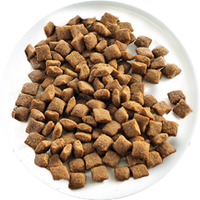
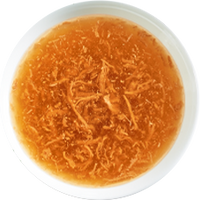
If inflammation is already present and your cat is having difficulty eating, you should avoid dry food and instead feed them wet food. Wet food is softer and therefore causes fewer problems and less pain when chewing.
In general, you should prioritize high-quality cat food with as little sugar as possible. Low-quality food can weaken your cat's immune system on the one hand, and impair dental hygiene and encourage bacteria on the other. Furthermore, the food should be rich in essential nutrients like calcium to prevent conditions such as FORL.
To prevent oral inflammation, good dental hygiene is very important. You might even be able to incorporate regular tooth brushing into your pet's daily routine using special toothpaste or a dental care gel from a pet store. However, it is difficult to get most cats used to having their teeth brushed. Instead, you should attend check-up appointments with your veterinarian and have them perform regular dental cleanings to remove plaque.