









Table of Contents
- What is cat acne?
- Causes of cat acne
- Symptoms and signs
- When to see a veterinarian?
- Diagnosis by a veterinarian
- Treatment of cat acne
- Prevention and daily care
- FAQ - Frequently Asked Questions
What is cat acne?
Cat acne [1], also known as chin acne, is a skin condition affecting cats. It primarily affects the chin and lower lip. Typical signs include blackheads (comedones), small pimples (pustules), and scabs.
Typical areas and appearance
- Dark spots or blackheads often appear on the chin.
- The skin may be red and swollen, and yellowish pustules may also develop.
- Scabs often form after the pimples burst.
- The fur on the affected areas of skin often looks dull or matted.
Mild to inflamed – the range of acne
- In a mild case, only a few blackheads appear, the skin is barely red, and the changes often disappear on their own.
- In a moderate case, visible pimples are present, the skin looks irritated, and mild scabs form.
- If inflammation occurs, pustules form, the cat is in pain, and the skin is clearly red and swollen. In this case, you should see a veterinarian.
Acne or dirt on the chin?
Dirt can usually be wiped off without any problems and leaves no changes on the skin. Cat acne remains visible despite cleaning or quickly reappears. If in doubt, a veterinarian should examine the skin to rule out other skin conditions such as parasites, fungal infections, or allergies.
Causes of cat acne
The cause of acne on a cat's chin is usually bacteria [2]. They prevent the sebum from flowing out of the hair roots. This clogs the pores, which can lead to inflamed pimples.
The following triggers can cause acne in cats:
- Overproduction of sebum: If too much sebum is produced, the pores and hair follicles become clogged. This leads to blackheads, which can become inflamed.
- Skin keratinization disorders: Some cats also have a keratinization disorder. The outermost layer of the skin renews itself more slowly or irregularly, so that old skin cells are not shed properly. These so-called hyperkeratoses or parakeratoses contribute to clogged pores.
- Hygiene and environmental factors: External influences can also promote cat acne. Plastic food bowls are considered a particular risk factor, as bacteria can settle in the fine scratches that develop over time. An unclean feeding area or infrequently cleaned bowls can also irritate the skin on the chin and promote inflammation.
- Insufficient grooming: Some cats do not clean their chin and the area around their lower lip thoroughly. Food residue, saliva, or dirt stick to the area and promote the accumulation of bacteria. In combination with increased sebum production, this can lead to cat acne.
- Stress and a weakened immune system: Stressful situations can weaken the cat's immune system and make the skin more susceptible to diseases. Other illnesses or generally poor health can also promote acne.
- Other possible influences: Hormonal changes, genetic predispositions, or certain environmental stimuli may also play a role. However, these connections have not yet been clearly proven.
Symptoms and signs
Cat acne primarily appears on the chin and lower lip. It is important for owners to recognize the typical changes early so that appropriate treatment can be started if necessary:
- Initial noticeable changes: At the beginning, small black dots often appear on the cat's chin. These look like food residue or dirt but cannot be easily wiped off. Upon closer inspection, they are blackheads caused by clogged pores.
- Visible changes to the skin: As the condition progresses, redness and swelling occur. Small pimples or pustules may form. Some cats then rub their chin on objects or scratch it because the pimples are uncomfortable.
When to see a veterinarian?
See a veterinarian as soon as the cat acne looks inflamed, pus is draining, or the skin is severely red . Also if you have the impression that your cat is in pain in the affected areas or if the skin changes do not heal despite care or keep returning. [3]
Bring your cat to the clinic even if it constantly scratches or rubs its chin, eats less, or generally appears listless. An early visit to the veterinarian can prevent complications and support a rapid recovery.
Diagnosis by a veterinarian
Even though the first signs of cat acne often appear harmless, a veterinary examination is important. Many skin diseases look similar, and only a professional examination can provide a clear diagnosis.
The veterinarian first examines the cat's chin and lower lip. They look for blackheads, pustules, scabs, and possible inflammation. They also check whether the skin is irritated, swollen, or painful.
Cat acne can easily be confused with other skin problems – for example:
- Fungal infections (dermatophytosis)
- Parasite infestations such as mites or fleas
- Allergic reactions, for example to food or environmental substances
- Bacterial skin infections that can occur independently of cat acne
To rule out these conditions, further tests may be necessary. Depending on the severity of the symptoms, the veterinarian may take a skin sample (biopsy), perform skin scrapings or cytologies to detect bacteria and fungi, or conduct a blood test if a weakened immune system is suspected.
Treatment of cat acne
Treatment depends on the severity of the condition. In many cases, consistent care and hygiene are sufficient, while more severe inflammation requires veterinary treatment.
The following treatment options are available:
- Gentle cleaning of the affected areas: Regularly cleaning the chin helps remove sebum and dirt residue. Soft cloths or mild, veterinarian-recommended cleaning solutions are suitable for this purpose.
- Medications and ointments: For inflamed or infected skin, the veterinarian will prescribe special ointments, creams, or gels that have antibacterial or anti-inflammatory effects. In severe cases, treatment with antibiotics may also be necessary.
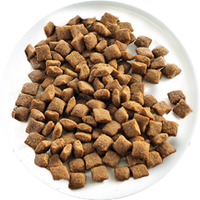
- Dietary adjustments: Since skin conditions are often linked to overall health and nutrition, changing the cat's food may be beneficial. Cats with sensitive digestion or food intolerances particularly benefit from specialized foods. KATTOVIT Sensitive wet food or KATTOVIT Sensitive dry food can support skin health. Recovery diets can also improve your cat's well-being.
[Sensitive]
Prevention and daily care
Cat acne cannot always be completely prevented. However, owners can reduce the risk by taking a few measures:
- Ensure a clean feeding environment. Regular thorough cleaning of food bowls is particularly important. Replace plastic bowls whenever possible, as bacteria can easily settle in fine scratches. Bowls made of stainless steel, ceramic, or glass are better suited, as they can be cleaned without leaving residue.
- Perform regular skin checks, especially on the cat's chin and lower lip. Changes detected early can be treated immediately – ideally before inflammation develops. Gently cleaning the area with a soft cloth helps remove excess sebum and dirt.
- Reduce stress to relieve your cat. Since stress can weaken the immune system and promote skin conditions, sources of stress in daily life should be avoided as much as possible. A stable environment, opportunities to retreat, and sufficient rest promote well-being and support skin health.