






Table of Contents
- What is hyperthyroidism in cats?
- Causes and risk factors of hyperthyroidism
- Symptoms and signs of hyperthyroidism
- Diagnosis and examination by the veterinarian
- Treatment options for hyperthyroidism
- Diet and care for affected cats
- FAQ
What is hyperthyroidism in cats?
Hyperthyroidism (hyperthyroidism), also known as hyperthyroidism or hyperthyroidism, is one of the most common hormonal diseases in older cats. In this condition, the thyroid gland – a small, butterfly-shaped organ in the neck area – produces too many thyroid hormones. These hormones, especially thyroxine (T4), affect almost all metabolic processes in the body.
In the event of overproduction, many processes in the cat's body occur too quickly: The metabolism accelerates, the heart works harder, and the energy consumption increases significantly. This leads to typical symptoms such as weight loss despite a good appetite, restlessness or scruffy fur.
Causes and risk factors of hyperthyroidism
Hyperthyroidism in cats can have various causes. In addition, there are several risk factors that can favor hyperthyroidism.
Causes
- Benign tumor (adenoma): In most cases, there is a growth in one or both thyroid lobes.
- Altered hormone regulation: With increasing age, the balance of hormone production can be disrupted.
- Increased iodine intake: Too much iodine in food or through supplements can stimulate the thyroid gland.
- Malignant tumor: Rarely, a malignant tumor – a so-called thyroid carcinoma – can also be behind the symptoms.
Typical risk factors
- Age: Cats over ten years old are particularly affected.
- Diet: Unbalanced or highly processed foods can affect the hormone balance.
- Environmental influences: Chemicals, plasticizers, and flame retardants are suspected of stressing the thyroid tissue.
- Genetic predisposition: Some cats react more sensitively to hormonal changes.
- Stress on other organs: The heart and kidneys are constantly under stress with an increased hormone level.
Symptoms and signs of hyperthyroidism
Hyperthyroidism (hyperthyroidism) often develops gradually. Many cats initially only seem slightly more active or eat more than usual. Only over time do the changes become clearer. Typically, affected animals lose a lot of weight despite a good appetite. The body simply consumes too much energy due to the increased hormone level.
Common symptoms at a glance
- Weight loss at the same time as increased appetite (polyphagia) or constant hunger
- Restlessness, nervousness or aggression
- Increased thirst and therefore more frequent urination
- Increased heart rate and sometimes heart murmurs
- Scruffy, unkempt-looking fur, hair loss, bald patches
- Vomiting or diarrhea
- Increased activity, especially at night
- Behavioral changes, e.g. restlessness or increased meowing
Diagnosis and examination by the veterinarian
In the further course of hyperthyroidism, fatigue, muscle loss and stress on the heart and kidneys can occur. Since the symptoms can also occur with other diseases, you should have your cat examined by the veterinarian to obtain a clear diagnosis.
Examinations for diagnosis
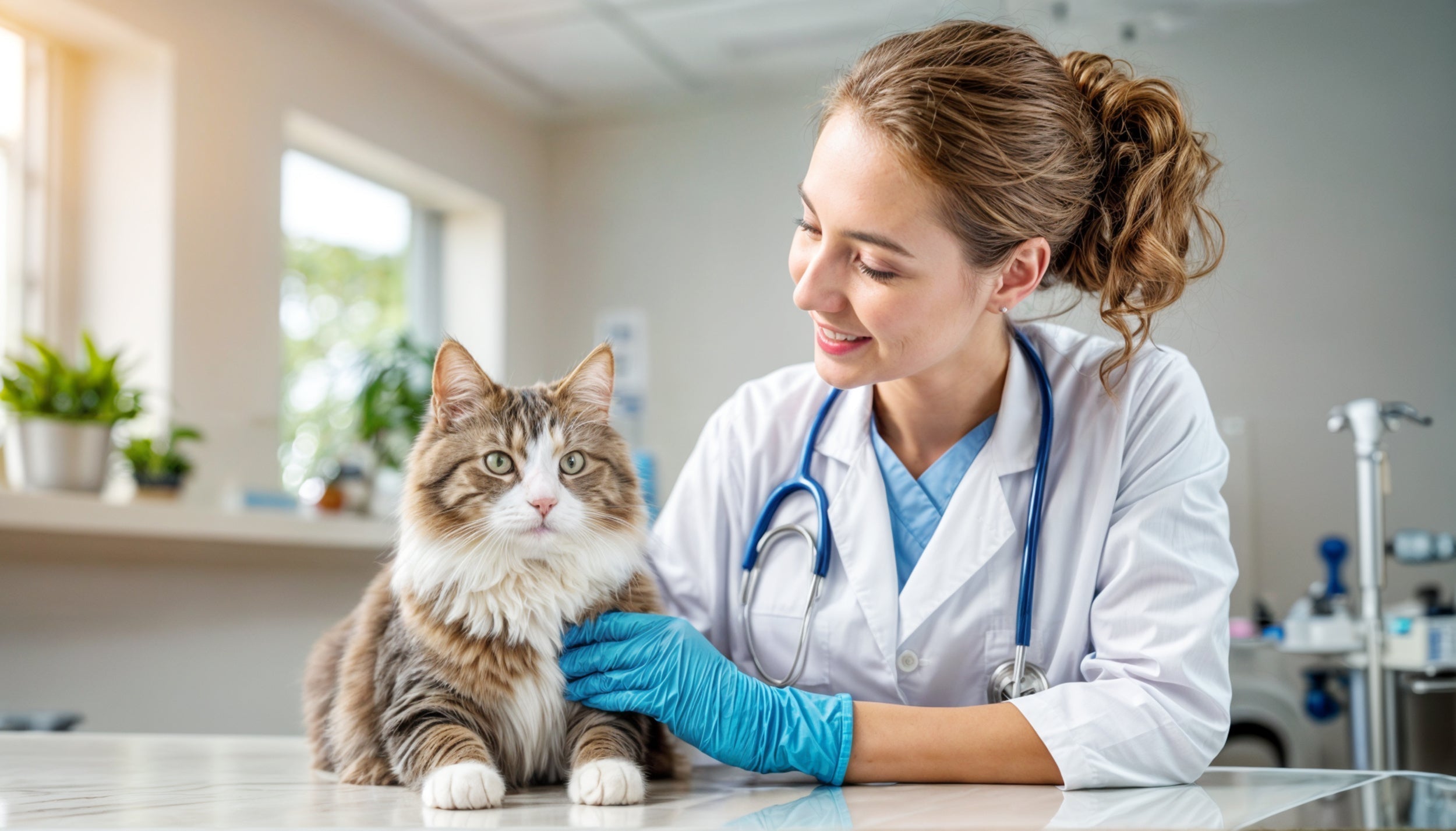
- Medical history and clinical examination: The veterinarian asks about changes in behavior, eating habits or weight and palpates the neck area to detect an enlarged thyroid gland (struma).
- Blood test: It is the most important component of the diagnosis. The thyroid hormones T4 (thyroxine) and possibly T3 (triiodothyronine) are measured in the blood. A significantly elevated T3 or T4 level in cats indicates hyperthyroidism. In addition, the veterinarian checks the kidney values, as hyperthyroidism can affect the kidney function.
- Further tests: In unclear cases, thyroid scintigraphy or ultrasound examinations can help to assess the size and activity of the thyroid tissue more precisely.
The earlier hyperthyroidism in cats is diagnosed, the better it can be treated. If the thyroid disease is detected in time, consequential damage to the heart, kidneys and circulatory system can be prevented. Regular blood checks from the 8th to 10th year of life are therefore recommended.
With the right diagnosis and subsequent treatment, the quality of life of affected cats can often be maintained in the long term.
Treatment options for hyperthyroidism
Hyperthyroidism can be treated well in most cases. The goal of the therapy is to slow down the excessive hormone production and bring the metabolism back into balance. Which treatment is best suited depends on the general condition, the age and possible co-existing diseases of your cat.
1. Medication
So-called antithyroid drugs are used most frequently. They inhibit the formation of thyroid hormones and thus stabilize the hormone level.
- Active ingredients: Usually thiamazole or carbimazole are used – as tablets, liquid solution or gel for external application.
- Advantages: Gentle, well-controllable treatment.
- Disadvantages: The medication must be given for life. Occasionally side effects such as vomiting or diarrhea occur.
2. Radioactive iodine therapy
In this form of therapy, radioactive iodine is administered, which specifically destroys overactive thyroid tissue without damaging other organs.
- Advantages: Usually a single treatment is sufficient, and the disease is permanently cured.
- Disadvantages: Specialist clinics are required, high costs, inpatient stay for a few days.
3. Surgery with thyroid removal
If medication or radioactive iodine therapy is not possible, the affected thyroid lobe can be surgically removed.
- Advantages: Often a permanent solution if only one lobe is affected.
- Disadvantages: Anesthesia risk, especially in older cats; monitoring of hormone levels after the procedure is required.
Diet and care for affected cats
The feeding can also positively influence the therapy. Low-iodine food relieves the thyroid gland and can help to stabilize the hormone level. You can pay attention to the following:
- Low-iodine feeding: Too much iodine can additionally stimulate hormone production. Pay attention to low-iodine food varieties.
- Easily digestible ingredients: Cats with hyperthyroidism often have a sensitive digestion. Gentle food protects the stomach and intestines.
- High-quality protein: The body needs enough protein to compensate for the increased energy requirement and prevent muscle loss.
- Enough fluid: Many cats with hyperthyroidism drink more than usual. Fresh water and wet food support the kidney function.
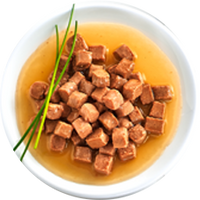
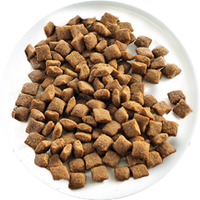
For cats with hyperthyroidism, a specially formulated dietetic food can also be useful. KATTOVIT Thyroid was specifically developed to support thyroid function. Due to the reduced iodine content, it helps to regulate the production of thyroid hormones, while high-quality proteins contribute to the maintenance of muscle mass.
Our KATTOVIT products from the Gastro and Sensitive series or the Aufbaukur can also support cats with thyroid problems. For example, they are suitable to alleviate loss of appetite, digestive problems or food intolerances. This additionally strengthens the well-being of the cat.